

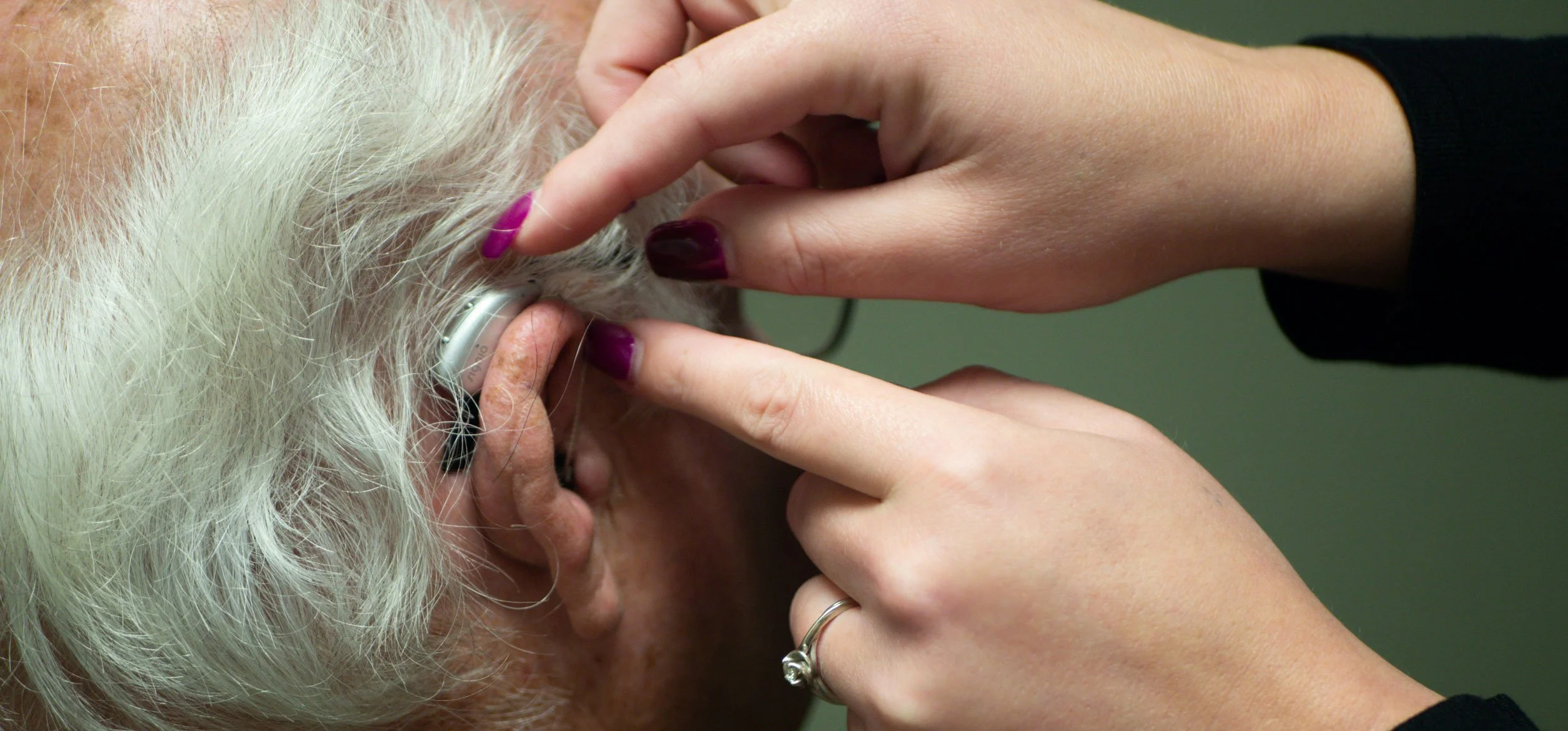
Hearing Aids
Hear Life More Fully!
Modern hearing aids are smaller, smarter, and more powerful than ever. Discover how today's technology can transform the way you experience the world.
At their core, hearing aids pick up sound through a tiny microphone, process it through an amplifier, and deliver it into your ear through a speaker. But modern hearing aids do so much more than that.

Distinguish speech from surrounding
So you can follow a conversation in a busy restaurant without straining

From a quiet office to a noisy street, your hearing aid adjusts on the fly
Adapt to environmental sounds

Stream audio directly from your devices
Many models connect via Bluetooth to your phone, TV, and other devices

Provide 360-degree sound awareness
So sound feels natural, not artificial
Trusted Brands, Fitted to You

Unitron was born in Kitchener, Ontario, Unitron builds hearing aids around real-life listening. Its technology adapts automatically as your surroundings change, and its flexible upgrade options let your hearing aids grow with your needs.

Phonak, a Swiss pioneer known for universal Bluetooth connectivity and powerful performance in noisy environments. Phonak offers one of the widest ranges available, from discreet in-ear models to solutions for severe hearing loss.

With over 75 years of Swiss engineering, Bernafon focuses on seamless, true-to-life sound. Its technology processes sound continuously rather than in fixed channels, delivering clarity without the artificial feel.
Signia is built on the Siemens hearing legacy, Signia combines sleek, modern designs with standout speech clarity — including rechargeable and nearly invisible options that fit effortlessly into daily life.

Oticon's Brain Hearing philosophy is simple: you hear with your brain, not just your ears. Its hearing aids preserve the full sound scene around you, making listening feel more natural and less tiring.
Not sure which brand is right for you? That's exactly what we're here for. Your hearing assessment and consultation will point us to the best match.
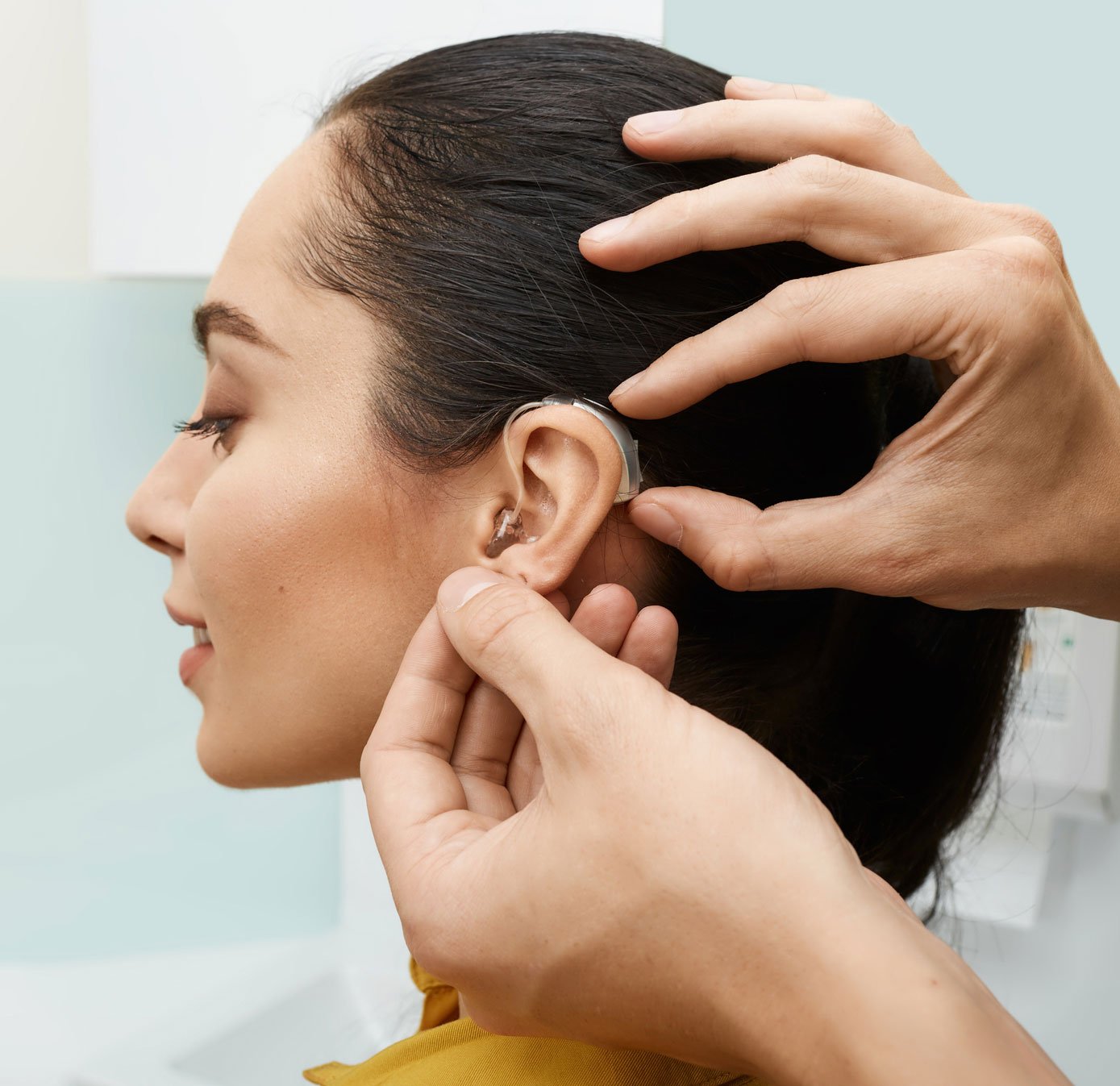
Hearing Aids Have Changed EverythingWhy People Choose Hearing Aids
Most people don't get hearing aids because they've been told they should.
They get them because of a moment.
Maybe it was missing the punchline of a joke at a family dinner and laughing anyway, hoping no one noticed. Maybe it was asking a colleague to repeat themselves for the third time in one meeting and watching the look on their face. Maybe it was sitting across from someone they love and realising they hadn't truly, effortlessly heard that person's voice in years.
Hearing loss doesn't take everything from you at once. It quietly chips away — a word here, a sentence there — until the effort of simply listening becomes exhausting. Until you start avoiding the situations you used to love. Until the world starts to feel just a little further away.
That's when people reach for hearing aids.
Frequently Asked Questions
Choosing a hearing aid comes with plenty of questions — and that's completely normal. We've put together answers to the things people ask us most, so you can feel informed and confident every step of the way.
-
The best hearing aid for you depends on your degree of hearing loss, lifestyle, ear anatomy, and personal preferences. A full audiological assessment followed by a consultation with a hearing care professional is the best way to find your perfect match.
-
Hearing aids are designed to improve your hearing significantly, but they do not restore hearing to its original state. Most wearers experience a dramatic improvement in communication, comfort, and quality of life.
-
Coverage varies depending on your location, insurer, and plan. Many private insurance plans offer partial coverage, and government programs may provide assistance for eligible individuals. Our team can help you understand your options.
-
With proper care, most hearing aids last between 5 and 7 years. Advances in technology mean many wearers choose to upgrade sooner to take advantage of newer features.
-
If you have hearing loss in both ears, wearing two hearing aids (known as binaural fitting) is almost always recommended. It provides better sound localisation, improved speech understanding in noise, and a more natural listening experience.
Take the First Step Toward Better Hearing
The right hearing aid can do more than improve what you hear — it can transform how you live. Clearer conversations, richer experiences, and the confidence to engage fully with the world around you.